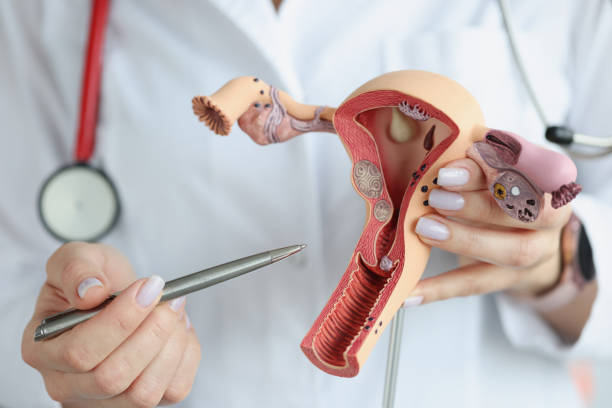
What is infertility?
When a man cannot impregnate a woman or vice versa, it is considered infertility due to a problem with one of the reproductive systems of one of the partners. There are two classifications of infertility: primary and secondary. Primary infertility is defined as an individual being unable to conceive. Secondary infertility is defined as an individual having previously been able to conceive but not being able to conceive again. This article will focus on infertility in both men and women, including causes, types and available treatments for both men and women. For anyone who is looking for an experienced provider for their infertility needs, Infertility Treatment in Charkop,Kandivali offers everything needed to create a personalized treatment plan or to utilize the newest advances in diagnostic technology for men and women.
Risk factors
Various factors can contribute to reduced fertility in men and women alike. Such are:
Infertility may also be linked to other factors, though research is still lacking in many cases. Among them are:
Being more overweight can cause infertility for many males or females.
Causes of Infertility
There are various causes that can contribute to infertility, including hormonal imbalances, issues with ovulation, clogged fallopian tubes, endometriosis, or malfunctioning uteruses in women; while for men they include low sperm count, impaired movement of sperm, or anatomical issues within their reproductive systems. Lifestyle factors such as stress, obesity, smoking, and binge drinking can also be significant contributors to complicating couple's ability to conceive.Couples looking for fertility assistance can benefit from an accurate assessment on how to address their Infertility Treatment in Charkop,Kandivali by receiving professional help in determining the specific cause of their infertility issue.
Diagnosis and Tests
A correct diagnosis is key to effective infertility treatment. Ovarian reserve testing, hysterosalpingography (to check the fallopian tubes), pelvic ultrasound, and testing of hormone levels are all tests that can be performed on women. Hormone testing and semen analysis are used frequently for an evaluation of men.Advanced testing such as genetic screening and laparoscopy may be recommended depending on the diagnosis.Infertility Treatment in Charkop,Kandivali offer many types of diagnostic testing to determine the exact cause of the infertility and to develop a tailored treatment plan.
Management and Treatment
The cause of infertility will determine the best way to manage infertility. Some treatment options include the use of fertility drugs to aid in the growth of eggs and ovulation, making lifestyle changes, undergoing surgery to remedy reproductive issues, and using assisted reproductive technologies (IVF/IUI) for conception. Counselling and mental health assistance are also important components of infertility treatment. The Infertility Treatment in Charkop,Kandivali not only provides the most effective methods for maximizing your chance of becoming pregnant but also protects the health of both partners involved.
Outlook / Prognosis
Age, overall well-being status, and the health of each person in the partnership will play a vital role in determining whether there is likely to be a successful outcome as regards the infertility prognosis.Couples can expect to have the greatest chance of achieving success If they are appropriately treated and given timely intervention as needed. Other important factors contributing to increased success rates are compliance with treatment protocols and consistent follow-up visits after completing treatment protocols.Couples seeking Infertility Treatment in Charkop,Kandivali can take advantage of the most advanced reproductive technologies available, continuous care and support and assistance with their pursuit of parenthood.